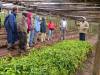
Full 1
\
Network for Agroecology in Africa is a community based Non-Governmental Organization
Full 1
Full 2
Network for Agroecology in Africa is a community based Non-Governmental Organization
Full 2
Full 3
Network for Agroecology in Africa is a community based Non-Governmental Organization
Full 3
Full 4
Network for Agroecology in Africa is a community based Non-Governmental Organization
Full 4
Full 5
Network for Agroecology in Africa is a community based Non-Governmental Organization
Full 5
Full 6
Network for Agroecology in Africa is a community based Non-Governmental Organization
Full 6
Full 7
Network for Agroecology in Africa is a community based Non-Governmental Organization
Full 7
Full 8
Network for Agroecology in Africa is a community based Non-Governmental Organization
Full 8
Full 9
Network for Agroecology in Africa is a community based Non-Governmental Organization
Full 9
Full 10
Network for Agroecology in Africa is a community based Non-Governmental Organization
Full 10
previous arrow
next arrow

WELCOME TO NAGROA KENYA

Where does NAGROA Operate?

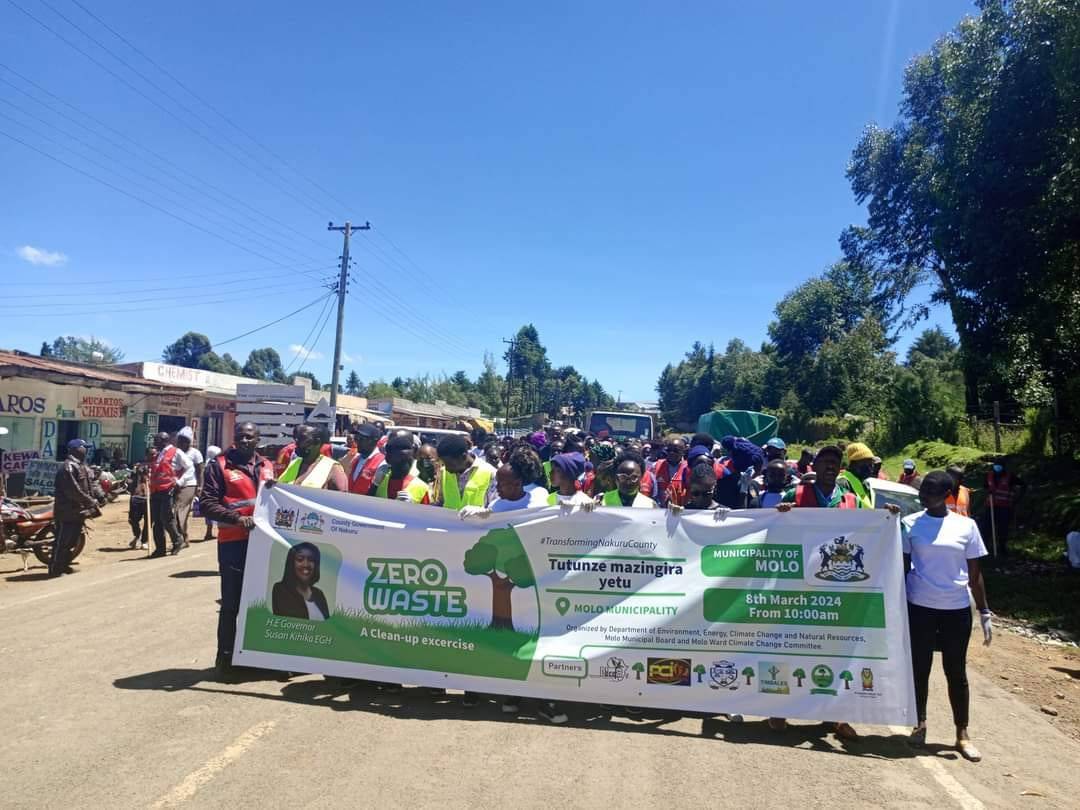
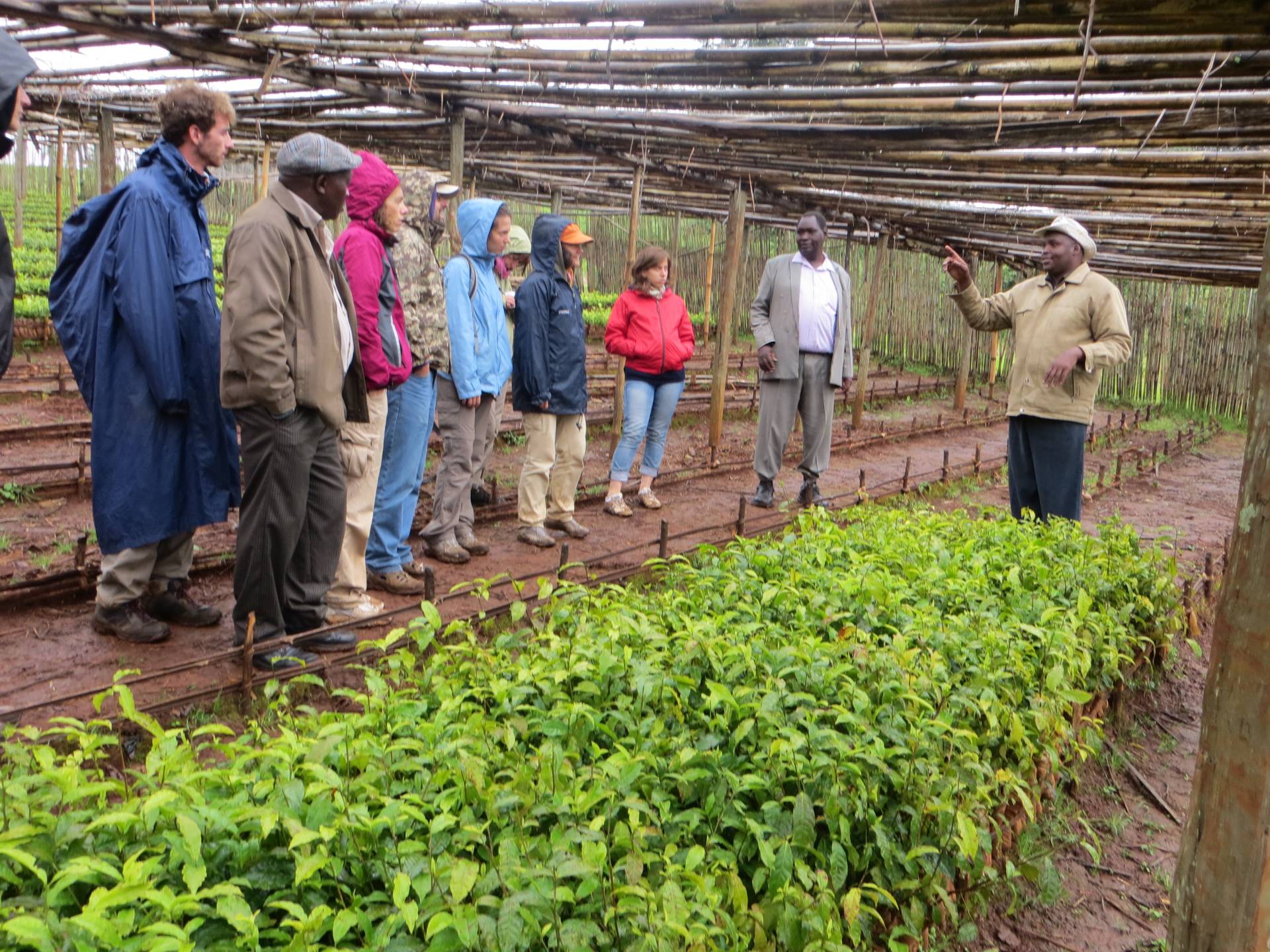
Network for Agroecology in Africa in Africa (NAGROA) is a community based Non-governmental organization promoting Ecofarming: Ecologically and socially sustainable Land Management. It works towards empowering communities to sustainably access education, health, food security and social dignity. The organization has activities in Nakuru, Baringo, Meru, Isiolo and Kajiado counties, and works with rural community groups and schools.

Region
Molo Town, Neema Plaza opposite Molo Stadium 1st floor, Gatundu Street.

Counites
Nakuru, Baringo, Kajiado, Meru, Isiolo

What Does NAGROA Do?

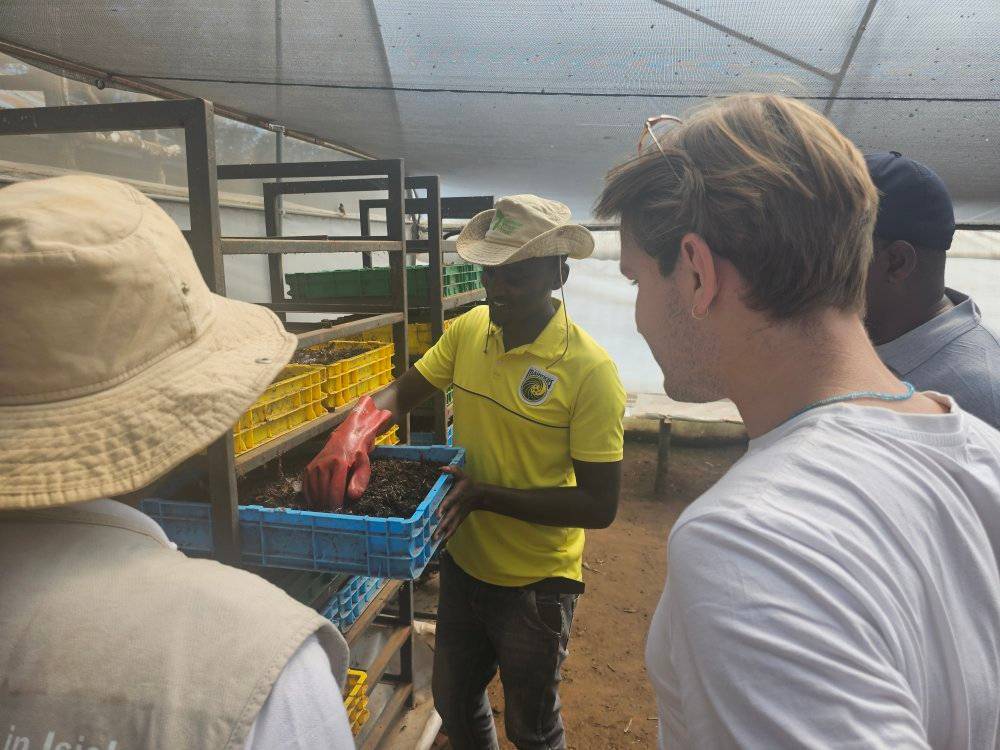
  1. Sustainable & Community-Based AgritourismFood Culture Tourism: Designing and executing immersive travel itineraries that connect international visitors with local communities to experience indigenous food systems, traditional heritage, and conservation efforts.Ecotourism Management: Developing responsible travel opportunities centered around conservancies, wildlife areas, and forest ecosystems that ensure tourism profits directly support the host communities.Circular Economy in Hospitality: Working closely with eco-lodges, hotels, and tourist facilities to implement circular waste networks and source sustainable, local produce directly from smallholder networks.
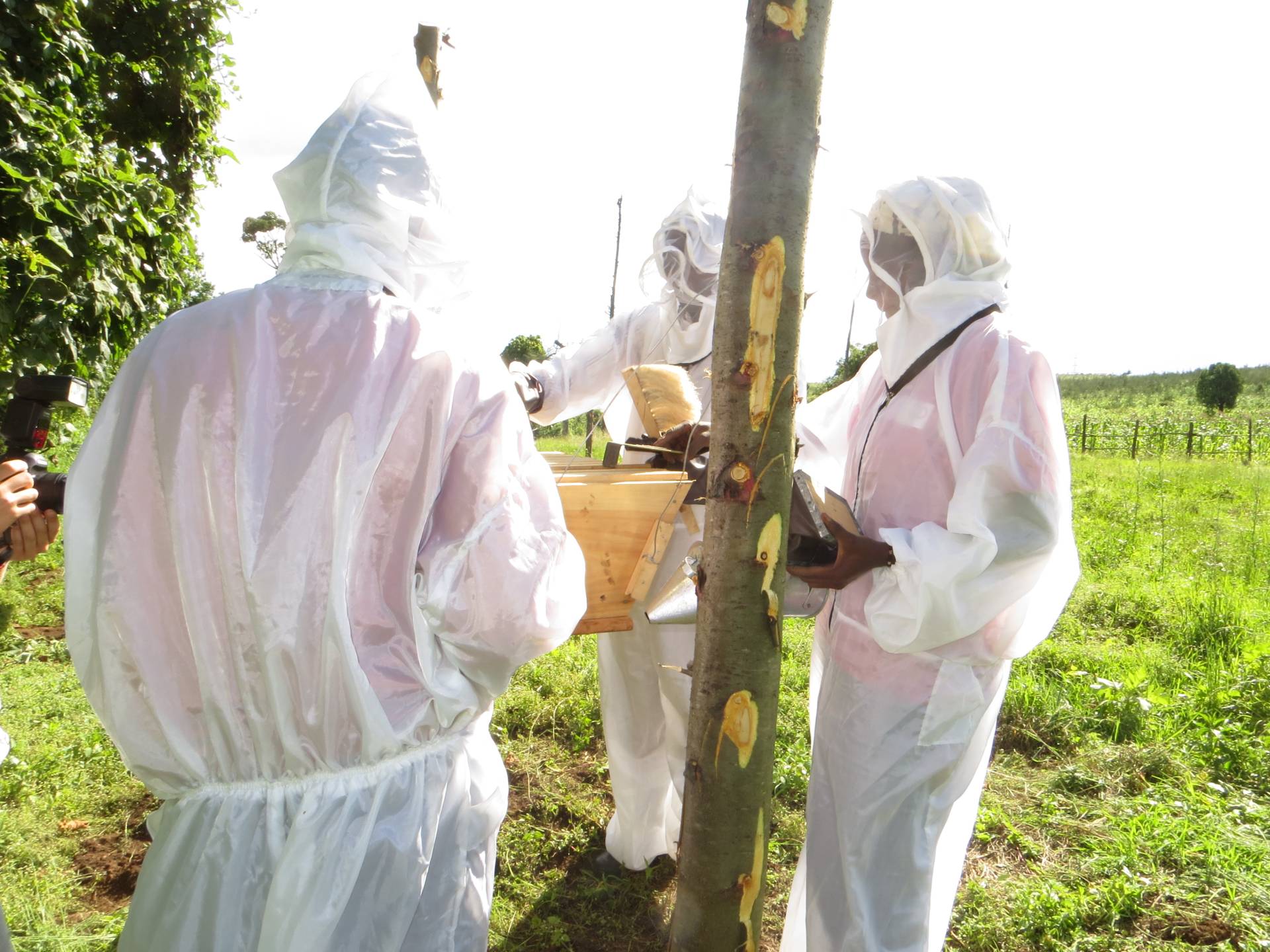
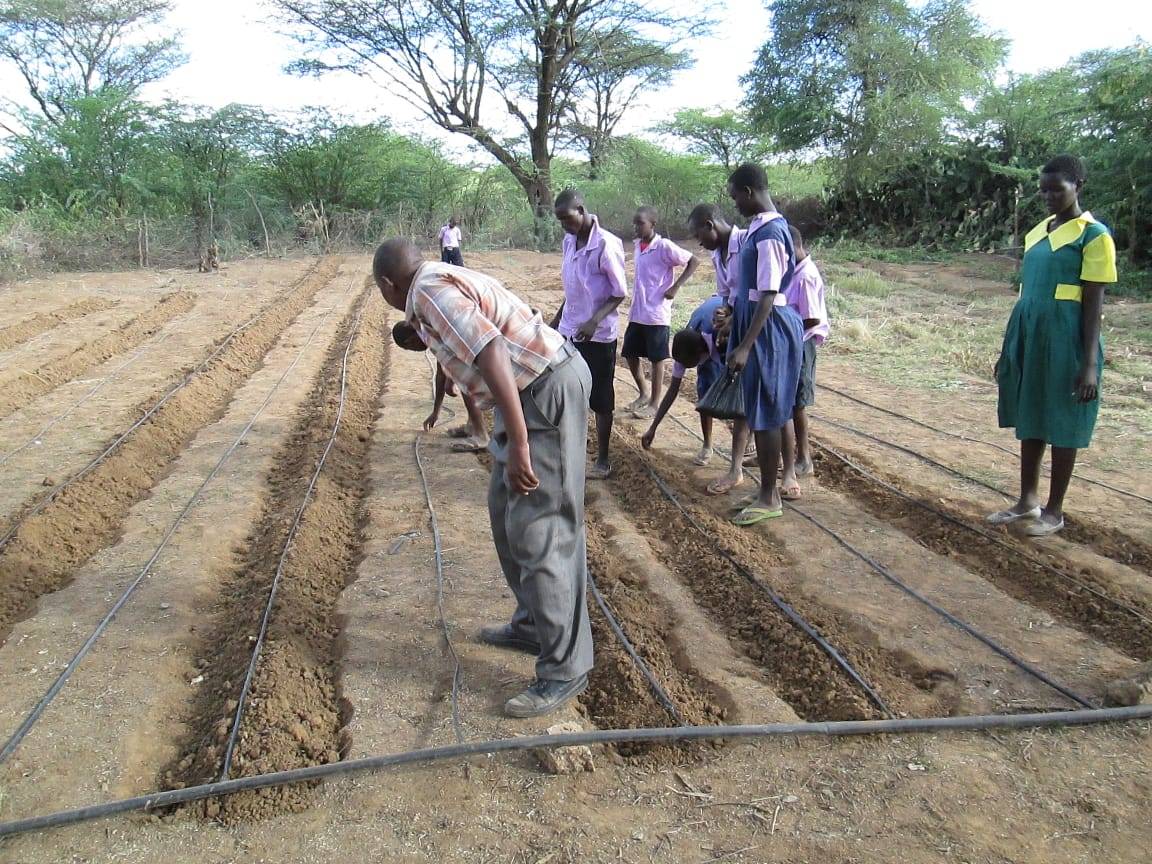
  2.  Agroecology & Climate-Resilient AgricultureEcological Land Management: Training rural self-help, youth, and women’s groups in low-external-input farming practices to restore depleted landscapes and soil health.Seed and Food Security: Establishing localized community seed banks to guarantee seed sovereignty and resilience against extreme climate changes.Indigenous Food Preservation: Promoting and mapping traditional food pathways to reverse the loss of dietary biodiversity and protect native crops.
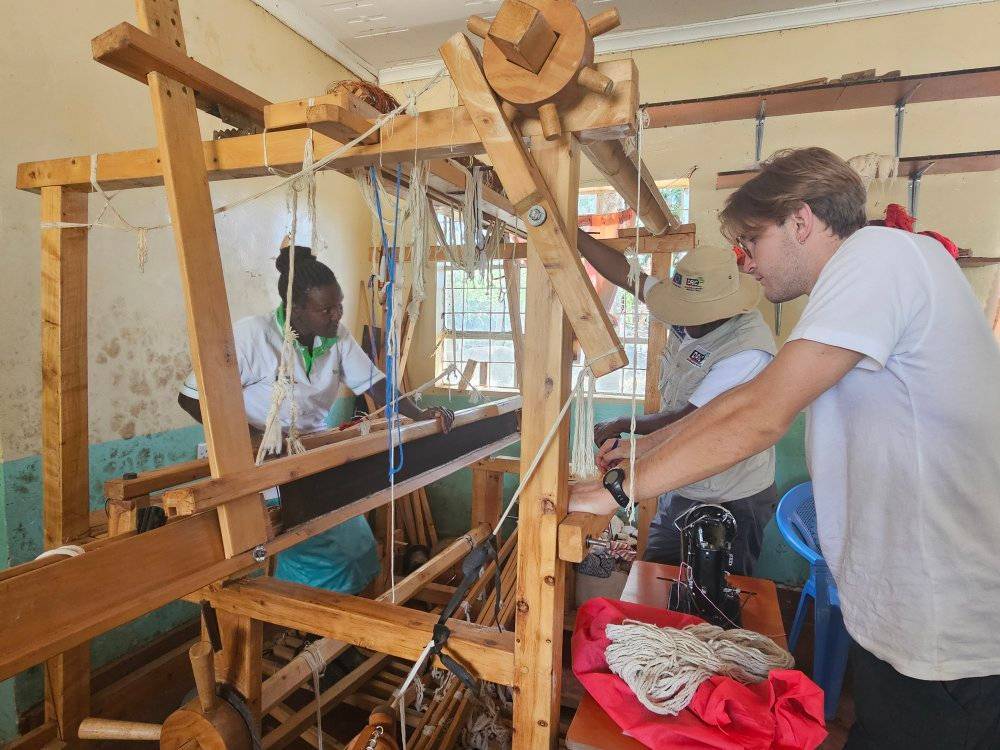
  3.  Grassroots Empowerment & Social InclusionYouth & School Food Programs: Setting up school gardens and environmental clubs to teach clean, fair, and healthy food production to the next generation.Marginalized Community Support: Designing specific capacity-building, basic infrastructure, and alternative livelihood programs alongside indigenous groups like the Ogiek.Gender & Health Integration: Ensuring women-led agricultural networks are fully funded and embedding nutritional awareness into local training hubs.
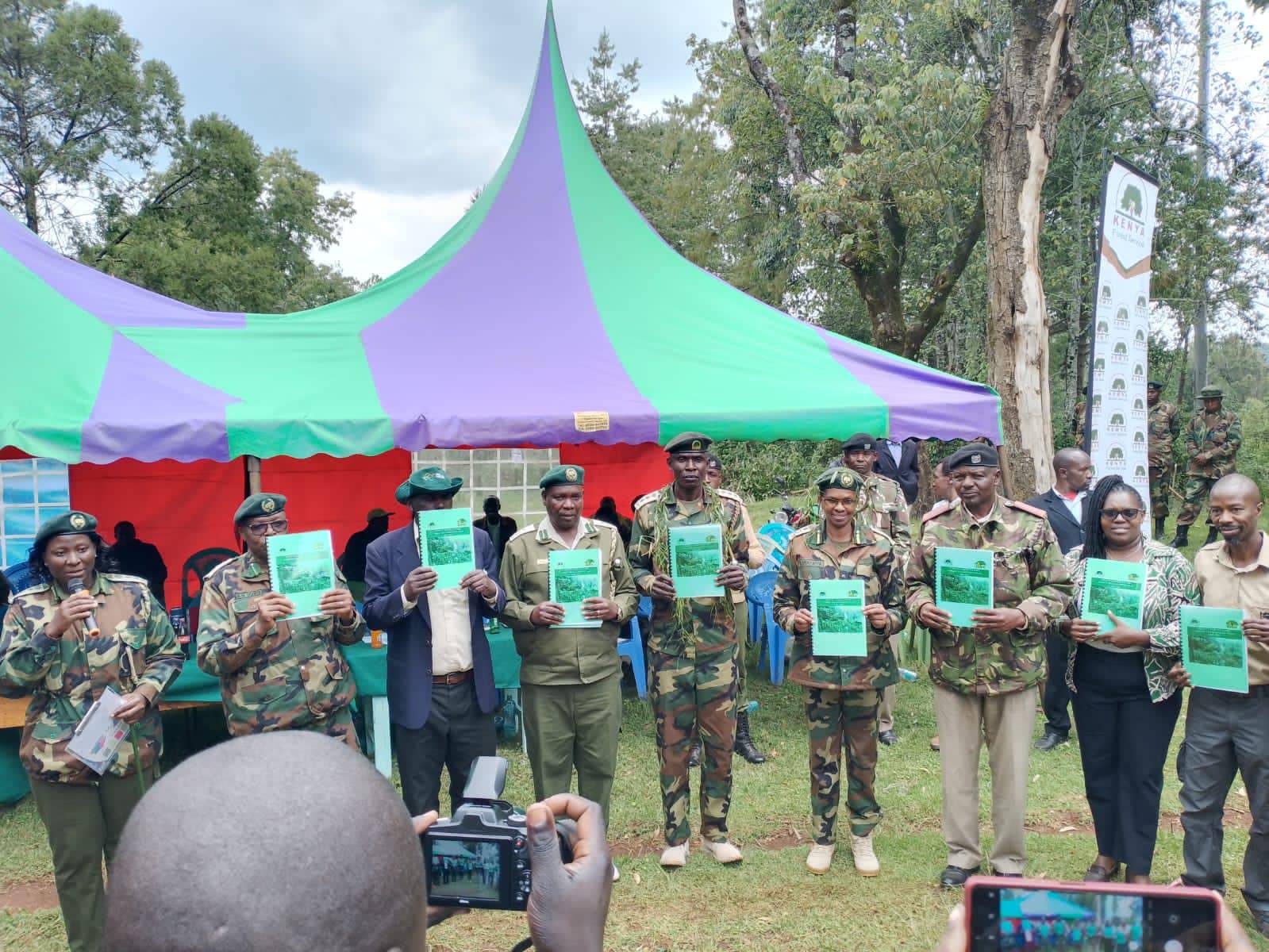
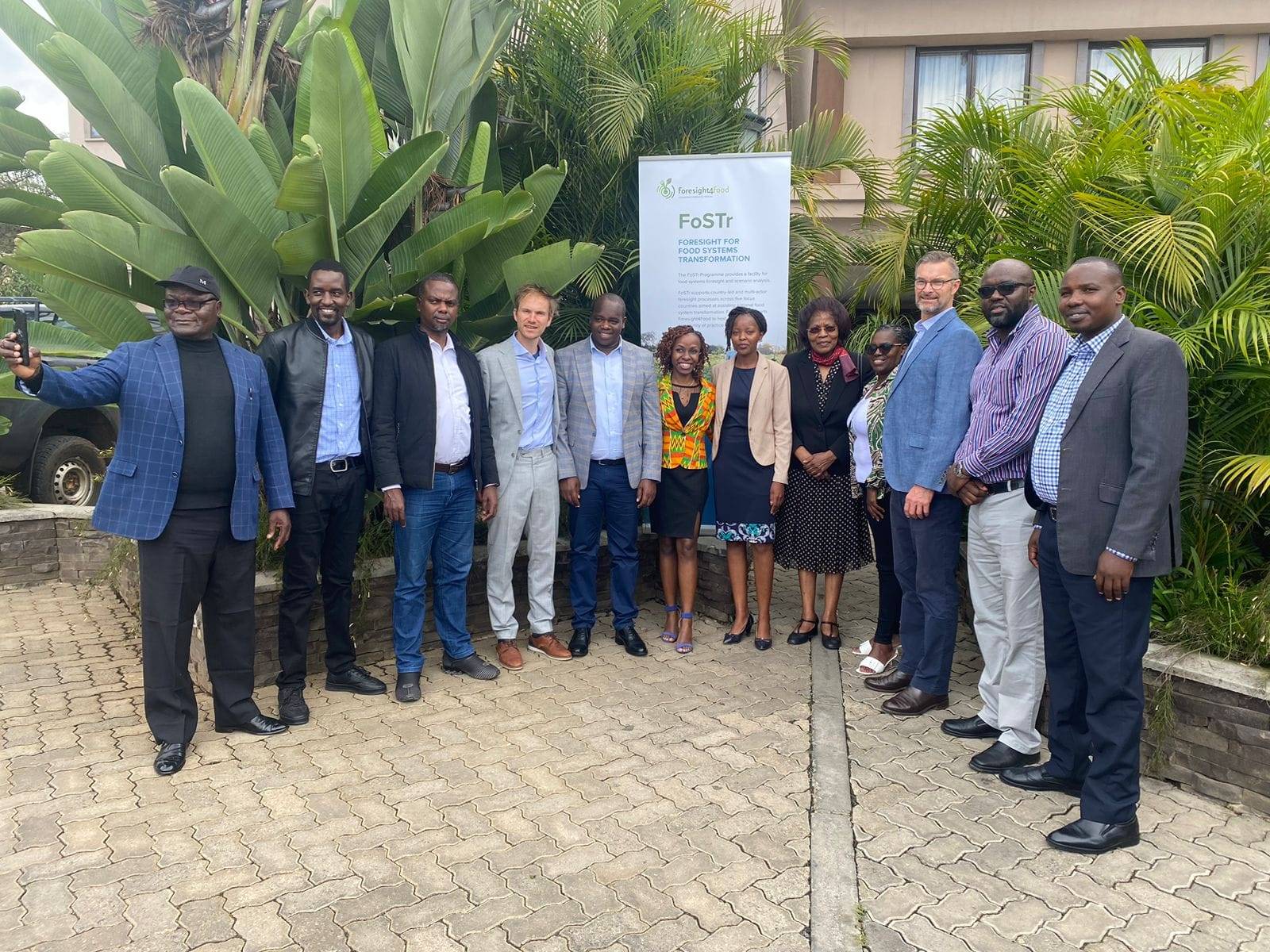
  4. Strategic Network Building & Policy AdvocacyLocal Policy Design: Partnering with regional and national civil society networks to write frameworks like the Nakuru County Agroecology Policy.Global Market Linking: Connecting local food communities with the global Slow Food and Terra Madre movement to expand international trade, award, and presentation opportunities.

unlock the shift to agroecology to create resilient, successful, and productive farming systems

in Africa by 2050.

By 2050, we hope to have resilient, productive, and prosperous farming systems that are people-centered,

climate-friendly, and environmentally sustainable. We do this by coordinating efforts, pooling resources,

and facilitating the shift to agroecology.
 

Our Partners

SUPPORTING THE SUSTAINABLE USE OF WILD SPECIES

BY INDIGENOUS PEOPLES AND LOCAL COMMUNITIES (IPLCs) There are many threats to the maintenance and revitalization of sustainable use by IPLCs. Recommended actions that could better support sustainable use by IPLCs include